

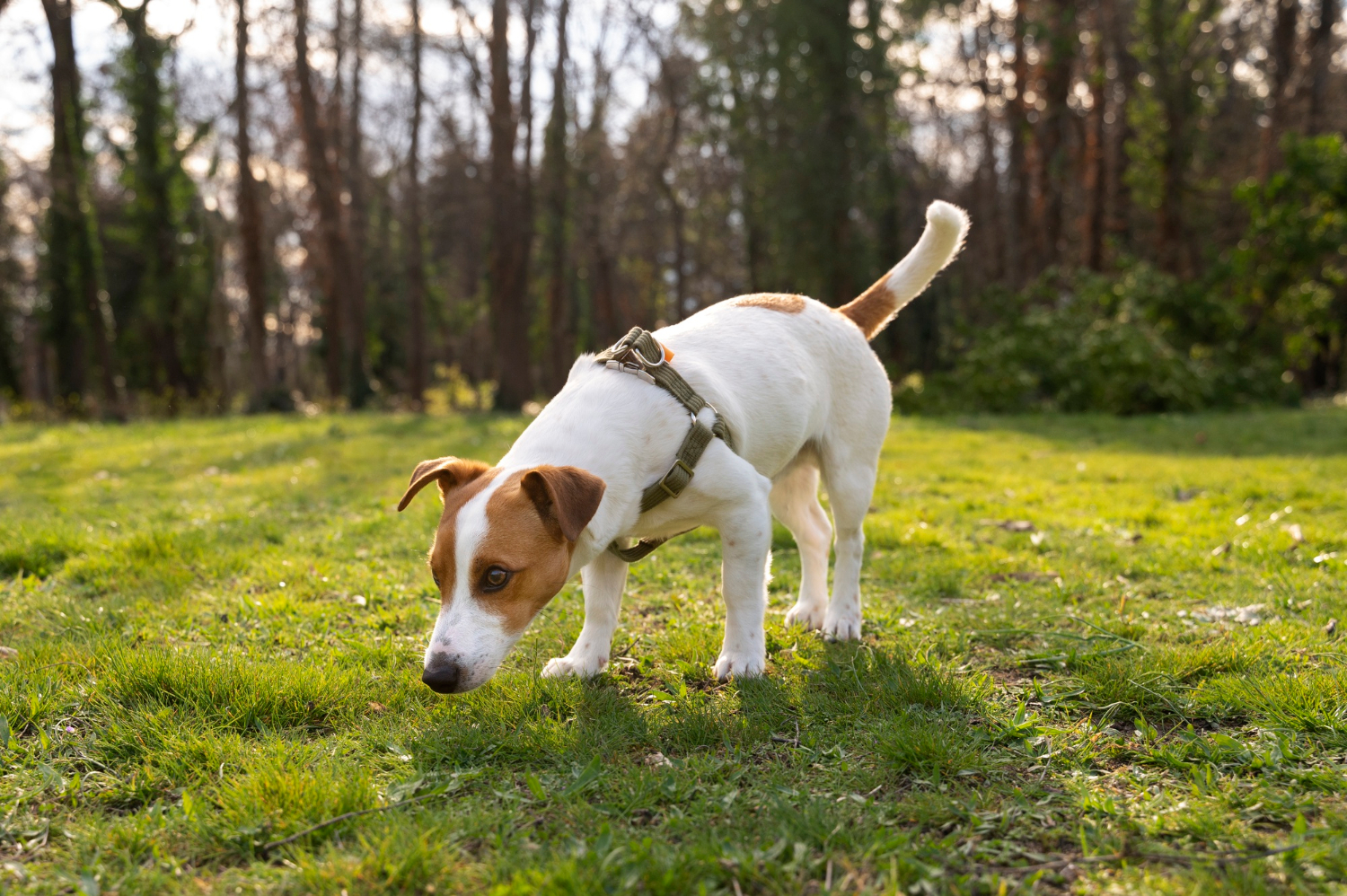
Losing sight of your dog, even for a minute, can flip your whole day upside down. You’ll see how small mistakes can make your dog’s ID tag useless. Because once your dog is out of view, you don’t get a redo. You act with what you’ve already set up. Dogs don’t think in “safe zones.” They follow smells, sounds, and random impulses. Tracking them starts long before they go missing. So, make sure to follow these tips because we don’t want you to lose your dog.
Use Clear and Readable Identification at All Times
 A collar without readable info is just decoration. If someone finds your dog, the first thing they check is the tag. If the text is faded or cramped, that moment of help stalls. Keep the details simple and sharp. A phone number is non-negotiable. Adding a name helps, but contact matters more. If a stranger can’t read it in seconds, it’s already a problem. Engraving quality matters more than people expect. Scratches, dirt, and time wear things down. A deep, clean mark stays visible longer. Think of the tag as your dog’s voice. If it can’t speak clearly, the message gets lost.
Keep Recent Photos Ready on Your Phone
Most people only take cute photos. That’s fine, but you also need clear, full-body shots. If your dog goes missing, you’ll need something accurate to show others. Take photos in good lighting. Capture their size, color, and any marks that stand out. A blurry selfie won’t help much when time matters. Update these photos every few months. Dogs change more than you think. A puppy grows, fur changes, and small details shift. When you’re stressed, you won’t think straight. Having ready photos saves time and cuts confusion.
Train Basic Recall Like It Actually Matters

A strong recall command can stop a bad situation early. It’s not about showing off tricks. It’s about control in real moments. Practice in different places, not just your backyard. Dogs behave differently when distractions hit. Parks, streets, and open spaces test their focus. Use rewards that matter to your dog.
Check Your Surroundings Before Letting Them Roam
Most escapes happen during routine moments. A gate left open, a loose latch, or a small gap in the fence is all it takes. These are easy to miss when you’re distracted. Do a quick scan before letting your dog out. It takes seconds. If someone else is watching your dog, double-check things.
Use Technology as a Backup, Not a Crutch

GPS trackers and smart collars can help. They add another layer of tracking. But they are not perfect. Batteries die. Signals drop. Devices fail at the worst times. You still need basic methods in place. Combine tools with simple systems. A clear tag, good recall, and awareness work together. No single solution covers everything.
Tracking your dog isn’t one big action. It’s a series of small habits that stack up over time. Skip one, and the gap shows when things go wrong. You don’t prepare because you expect the worst. You prepare because life gets messy. A clear tag, good habits, and quick thinking turn panic into action.